By Leah Douglas and Jason Lange
WASHINGTON, June 14 (Reuters) - Brian Rauch has felt the squeeze of higher gas prices on his 30-mile (50-km) drives from his home in rural Stevensville, Montana, to the doctor's office. He has also noticed food prices going up and, as an Air Force veteran, sees little rationale for the U.S.-Israeli war on Iran.
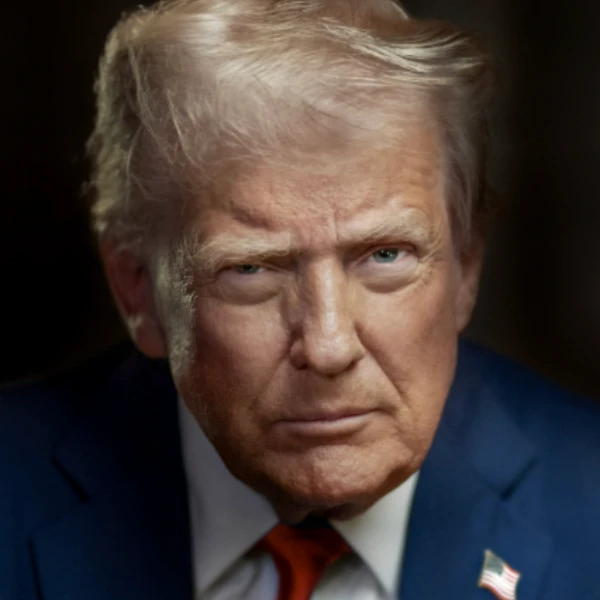
These are among the reasons the 42-year-old increasingly disapproves of the performance of President Donald Trump, the man he voted for in the last three presidential elections, putting him among a growing portion of rural Americans disappointed by his leadership in Washington.
Trump's approval rating among rural Americans dropped in June to a new low of 50%, according to the June 3-8 Reuters/Ipsos poll. That compares with 60% approval in February 2025 shortly after Trump took office.
Rural disapproval of Trump's performance meanwhile rose to 48% from 34% in February 2025, according to the poll of 4,531 U.S. adults nationwide. The poll, which was conducted online, had a margin of error of 3 percentage points for people in rural areas and 2 points for Americans overall.
The discontent is notable for a voting bloc that has strongly supported Trump in his presidential campaigns, and could have implications for Trump's Republican party in November's midterm elections, where they will defend slim majorities in the U.S. Congress.
Trump won rural voters by 40 points in the 2024 election, up from 31 points in the 2020 election and 25 points in 2016, according to an exit poll analysis by Pew Research Center.
GAS PRICES WEIGH
Trump's overall approval rate of 35% is also near the lowest of his political career, as most Americans fear a continued rise in gas prices fueled by the Iran war, the latest Reuters/Ipsos poll showed.
Bryan Shaver, 62, an insurance agent in Hattiesburg, Mississippi, voted for Trump in the 2024 election but said he is frustrated by persistently high food prices.
Shaver, who said he has long supported Republican politicians and once worked for Mississippi Senator Roger Wicker when he was a congressman, is now concerned that high prices will hurt the party in the midterms.
"I have a feeling we’re going to be in big trouble in November," he said.
COST OF LIVING
Driving the decline in rural support is disapproval of Trump's stewardship over the cost of living and the U.S. economy, the polling data showed.
Just 31% of rural respondents said they approve of Trump's handling of those issues, while 61% disapproved. In February 2025, about 45% of rural respondents approved of Trump's handling of cost of living issues, and 43% disapproved.
Rauch, who works at a non-profit that helps military veterans adjust to civilian life, said he backed Trump consistently since his first run for the White House in 2016. But he said that Trump's more erratic behavior this term risks alienating trading partners and further driving up everyday costs for Americans.
He is also concerned about the rapid expansion of data centers in Montana that could compromise water access.
"We’re in bigger water fights with AI, we’re all paying more for groceries and we’re all paying more for gas," Rauch said. "My day to day is negatively impacted and I haven’t seen these other benefits."
Rural Americans may be more exposed to higher gas prices because they drive more on average than urban Americans, according to federal data.
Those living in rural places travel an average of 30 miles daily in a vehicle, compared to 17 miles (27 km) for urban residents, according to 2022 data from the Department of Transportation's National Household Travel Survey, the most recent available.
Other factors affecting rural America include a difficult year for farmers, saddled by rising fertilizer costs aggravated by the Iran war, low crop prices, and curbed exports due to Trump's trade war.
Diesel prices in several states have also hit all-time highs, threatening slim margins for farmers as well as fishermen opting to keep their boats docked rather than spend tens of thousands more on fuel.
(Reporting by Leah Douglas and Jason Lange in Washington; editing by Scott Malone and Deepa Babington)