WASHINGTON (AP) — The Supreme Court is wrapping up a term that has focused on President Donald Trump’s expansive claims of presidential power.
Trump’s efforts to restrict birthright citizenship, fire the heads of most independent agencies at will and remove a sitting Federal Reserve governor are among the remaining eight cases the justices are expected to decide this week, beginning Monday.
The court also is weighing, in cases from West Virginia and Idaho, whether to uphold laws in roughly half the states that prohibit transgender girls and women from playing on their public school and college sports.
Two election-related cases remain, over state laws that allow a grace period for the receipt of mailed ballots, provided they are sent by Election Day, and limits on political party spending in support of candidates for Congress and president.
Also outstanding is a dispute over geofence warrants that collect the location history of cellphone users to find people near crime scenes. Critics say the practice is a fishing expedition that violates civil liberties.
The court’s conservative majority has so far been mostly receptive to Trump’s immigration crackdown, including a decision last week allowing the administration to end temporary legal protections for people who came to the U.S. because of war or natural disaster in their homeland. Another decision could make it harder for people fleeing persecution to seek asylum in the United States.
During arguments in April, the justices signaled a more skeptical look at Trump’s executive order that would overturn long-settled understanding and deny citizenship to children born to parents who are in the country illegally or temporarily.
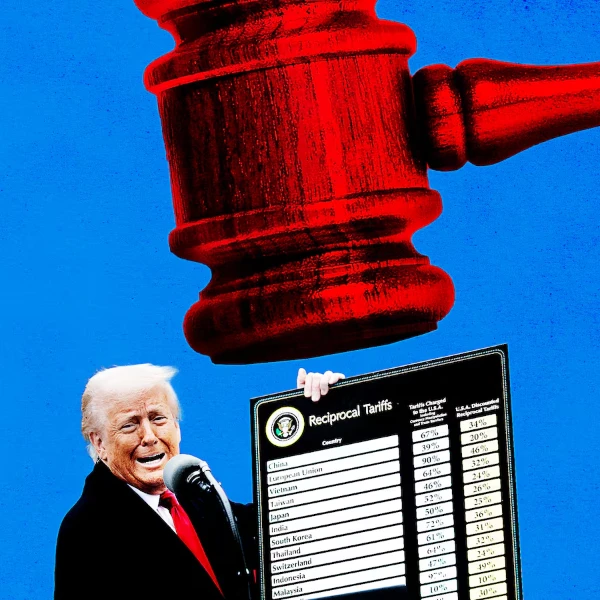
The court also has rejected Trump’s assertion of the power to unilaterally impose wide-ranging tariffs under an emergency powers law.
The decision in February drew Trump’s ire, including an unusually harsh and personal denunciation of two of his court appointees, Justices Neil Gorsuch and Amy Coney Barrett, who voted against him.
The extent of Trump’s power to fire independent agency members is the oldest undecided case, argued in December. The justices seem likely to overturn, or drastically narrow, a 91-year-old decision. It required a cause, like neglect of duty, before a president could remove the Senate-confirmed officials from their jobs.
The outcome appears to be in little doubt because the conservatives have allowed the firings to take effect while the case plays out, even after lower-court judges found the firings illegal.
The court seemed less willing to endorse Trump’s bid to immediately fire Federal Reserve governor Lisa Cook over allegations of mortgage fraud, which she denies. No president has ever fired a Fed governor in the agency’s 112-year history.
By custom, the court finishes its work before July 4. After this week, its next public meeting is the first Monday in October.